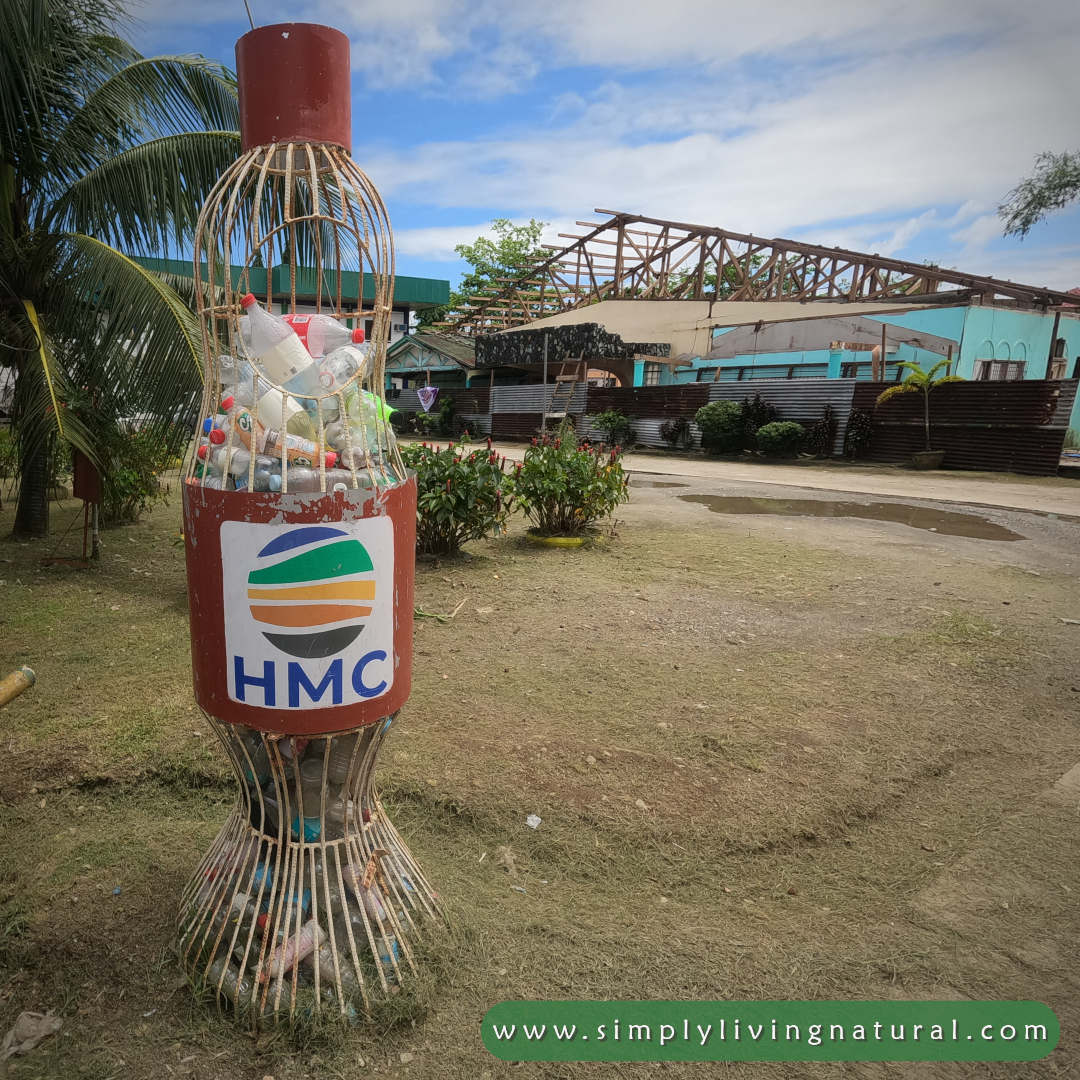
Plastik ist in unserem Leben allgegenwärtig. Dies gilt sowohl für den täglichen Gebrauch in unserem Leben, als auch für den omnipräsenten Plastikmüll. Ein sauberer Strand ist kein natürlicher Strand, sondern wurde von Plastikmüll gereinigt. Die Entfernung unserer Hinterlassenschaften ist extrem aufwendig und wird Generationen beschäftigen. Hingegen ist es sehr einfach den eigenen Plastikkonsum zu reduzieren.
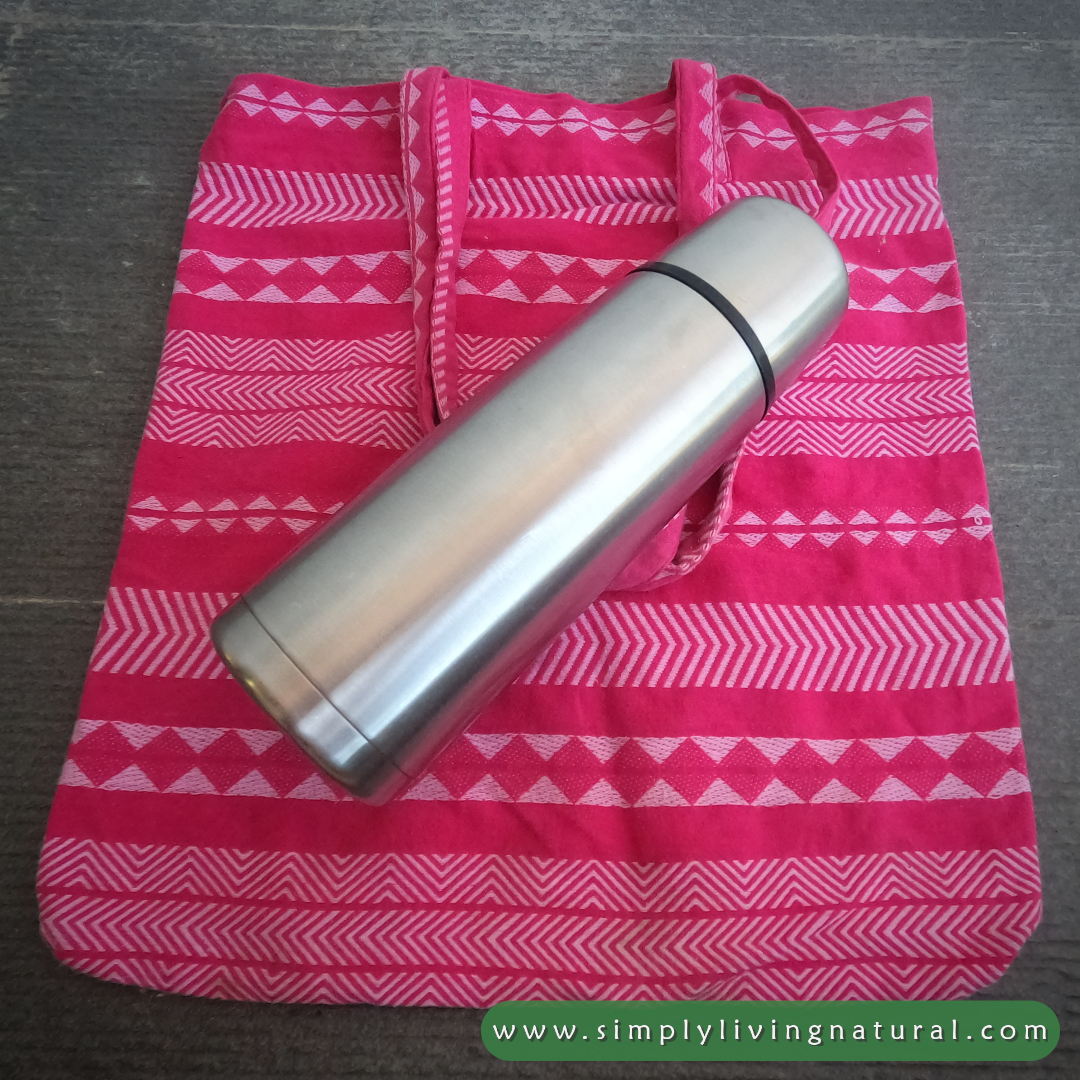
1. Verwende für deinen Einkauf eine wiederverwertbare Tragetasche
Eine Tragetasche ist leicht und passt quasi in jede Handtasche. Laut UNEP (Umweltprogramm der vereinten Nationen) summiert sich der Konsum an Plastiktüten weltweit auf ca. 5 Billionen. Dies entspricht, bei einer zugrunde gelegten Weltbevölkerung von aktuell ca. 8 Milliarden Menschen, einem Jahreskonsum von ca. 625 Tüten pro Kopf.
Die Anschaffung einer Tragetasche ist lediglich mit minimalen Kosten verbunden (max. 1-2 Dollar). Sollte die Tasche doch ein Mal vergessen werden, achte zumindest darauf, das die verwendete Plastiktasche wiederverwendet wird, und sei es als Müllbeutel.
Für den Transport von Speisen und beispielsweise für Reis bieten sich verschließbare, wiederverwertbare Aufbewahrungsbehältnisse an, welche im Idealfall stapelbar sind.
2. Verwende wiederverwertbare Trinkflaschen anstelle von Plastikflaschen
Der Mensch ist in der Lage mehrere Wochen ohne Nahrungsaufnahme zu überleben, dem gegenüber jedoch lediglich ca. 3 Tage ohne Flüssigkeit (ohne Wasser). Eine Wasserflasche gehört dementsprechend in jede Tasche. Plastikflaschen sind zwar leicht und praktisch, im Sinne unserer Umwelt sollte jedoch auf Plastik verzichtet werden und stattdessen eine wiederverwertbare Trinkflasche verwendet werden.
Flaschenwasser ist zudem extrem teuer, so dass auf lange Sicht gerecht die Anschaffung einer wiederverwertbaren Trinkflasche nicht nur einen Gewinn für die Umwelt darstellt, sondern auch den eigenen Geldbeutel schont. Abgefülltes Flaschenwasser wird zudem oftmals über lange Distanzen, teils länderübergreifend, transportiert, was wiederum vermeidbare CO2 Emissionen verursacht.
Wenn doch ein Mal auf eine Plastikflasche zurückgegriffen wird, verwende diese zumindest wieder, beispielsweise als Pflanzgefäß.
3. Kaufe hochwertige Produkte anstatt von Billigware
Jedes Produkt wird am Ende seines Lebenszyklus zu Abfall und muss durch eine Neuanschaffung ersetzt werden. Achte beim Kauf von Produkten auf Langlebigkeit, einschließlich technischer Alterung, um möglichst lange Freude an der Anschaffung zu haben. Im Idealfall sollte ein Produkt ein Leben lang halten, was in den meisten Fällen jedoch illusorisch ist. Trotzdem sollte jeder bestrebt sein, nicht nur für sich selbst, sondern auch für seinen Besitz einen möglichst langen Lebenszyklus anzustreben.
4. Schaue dich nach plastikfreien Alternativen um
Schaue dich nach plastikfreien Alternativen um. Ein Zahnbürste kann beispielsweise aus Bambus gefertigt sein, anstatt aus Kunststoff. Plastik ist dementsprechend kein Muss. Gleiches gilt für die Verwendung von Einweg-Geschirr, welches prinzipiell vermieden werden sollte.
Achte beim Kauf von Hygiene- und Kosmetikprodukten darauf, dass diese frei von Mikroplastik sind.
Verwende in der Küche Schneidebretter aus Holz anstatt aus Kunststoff.
5. Kaufe frisch, anstatt vakuumiert
Achte beim Einkauf auf Frische und vermeide den Kauf von vakuumierten Produkten. Kaufe Obst und Gemüse frisch auf dem Wochenmarkt ein, anstatt im Supermarkt. Täglich frisch einzukaufen trägt zudem dazu bei, Lebensmittelverschwendung (durch Alterung) zu reduzieren und Einhalt zu gebieten.
Jedem sollte die Ernsthaftigkeit des Problems bewusst sein. Wir reden hier nicht über eine Kleinigkeit, sondern über ein riesiges Problem. Aus diesem Grund ist jeder, zumindest moralisch, dazu verpflichtet einen Beitrag zu leisten.
Hast du weitere Ideen oder Anregungen?
Dann freue ich mich über einen Kommentar zu diesem Beitrag.