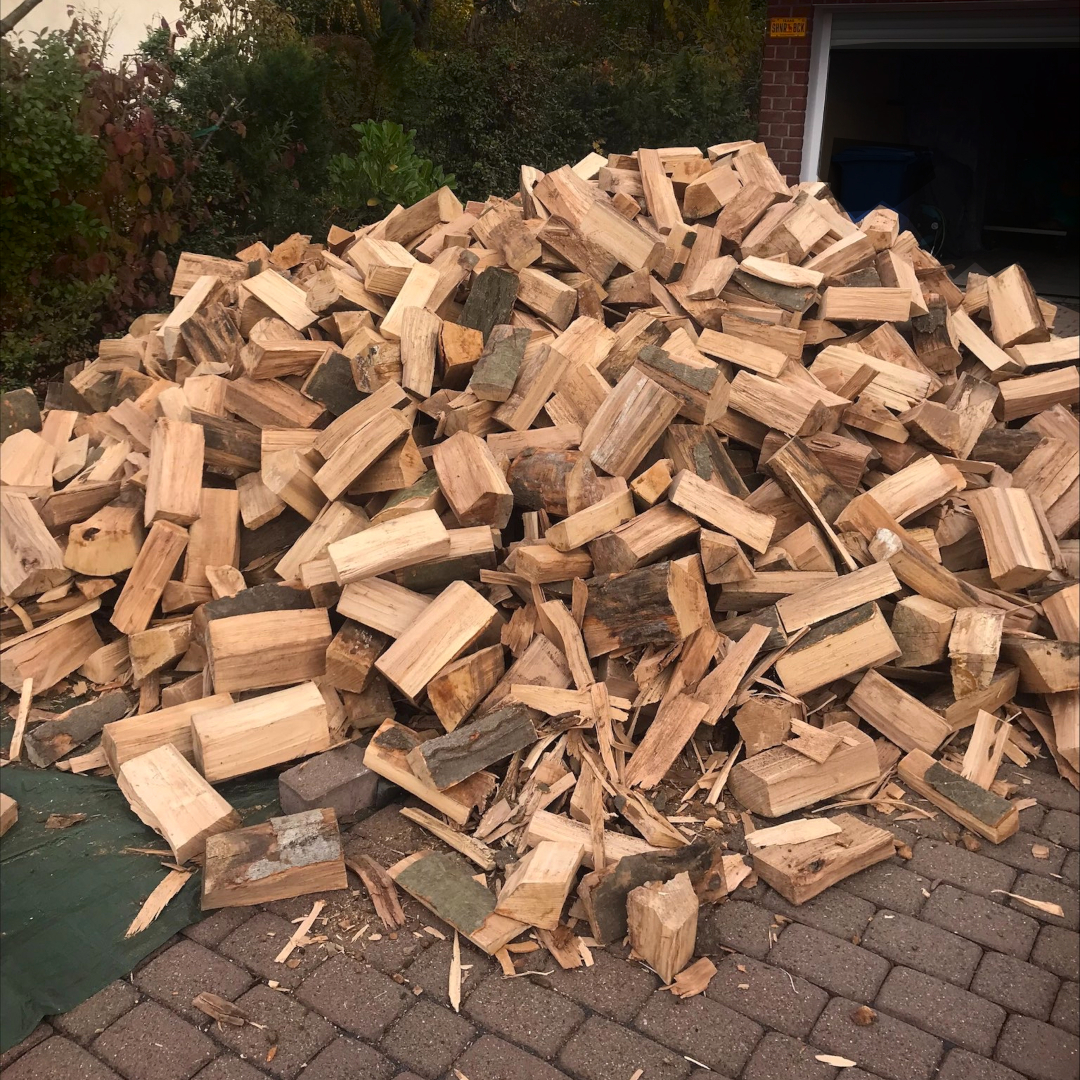
Im Vergleich zum Jahr 2020 haben sich die Heizkosten in Deutschland mehr als verdoppelt, was viele Familien und Haushalte vor echte finanzielle Herausforderungen stellt. Dabei haben nicht nur die Preise für Heizöl und Erdgas merklich angezogen, sondern auch die Preise für Holzpellets und Brennholz. Betroffen ist somit nicht nur der klassische Mieter in einem Mehrfamilienhaus, sondern auch diejenigen, die bereits alternativ mit Holz heizen.
Für viele Bürgerinnen und Bürger stellt sich somit zwangsweise die Frage nach alternativen, kostengünstigeren Energiequellen. Vorweg sei gesagt: Ohne Fleiß kein Preis, sprich wer sparen möchte muss selbst Hand anlegen und Zeit und Schweiß investieren.
Nachfolgend möchte ich 3 Alternativen aufzeigen, wie sich ausufernde Heizkosten mit Eigenarbeit reduzieren lassen.
Einweg-Paletten aus (Bau-)Märkten
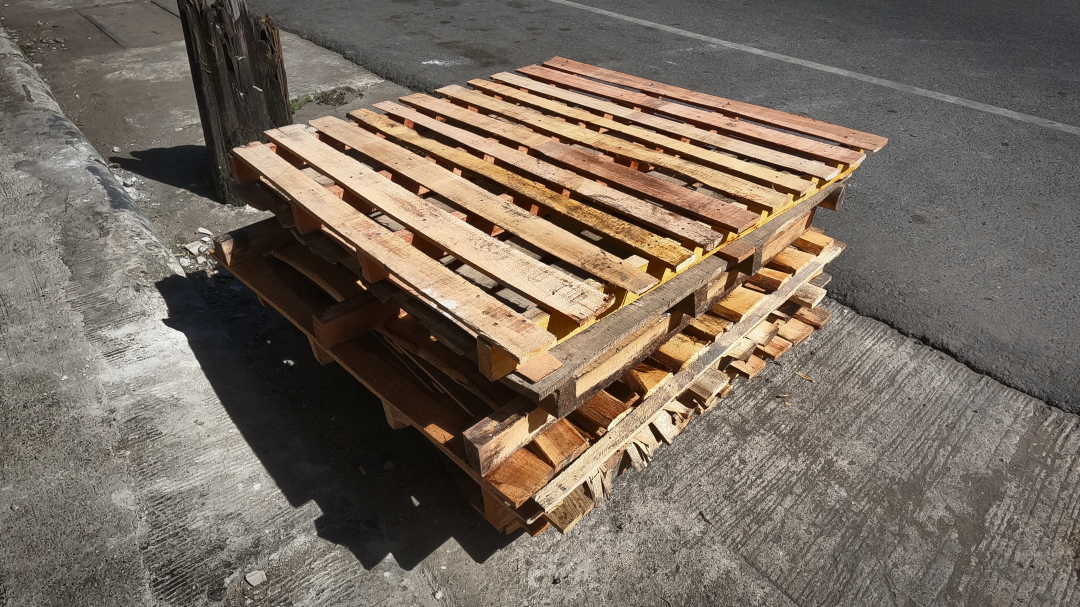
Viele Märkte und Baumärkte sind froh Abnehmer für hölzernes Verpackungsmaterial, insbesondere Einweg-Paletten, zu finden und diese nicht mehr entsorgen zu müssen. Viele Märkte sind bereit Paletten kostenlos abzugeben. Fragen kostet nichts und im Idealfall profitieren beide Parteien voneinander (Win-Win Situation). Eine Palette passt für gewöhnlich nicht als Ganzes in einen Kachelofen oder in einen Kaminofen. Der Preis den man zahlt besteht also darin, die Paletten zu zerlegen und in ofengerechte Stücke zu schneiden. Wer Zeit hat, rüstig ist und bereit ist etwas Eigenarbeit zu investieren kann auf diese Weise seine Heizkosten deutlich reduzieren.
Holzabfälle aus dem Sägewerk
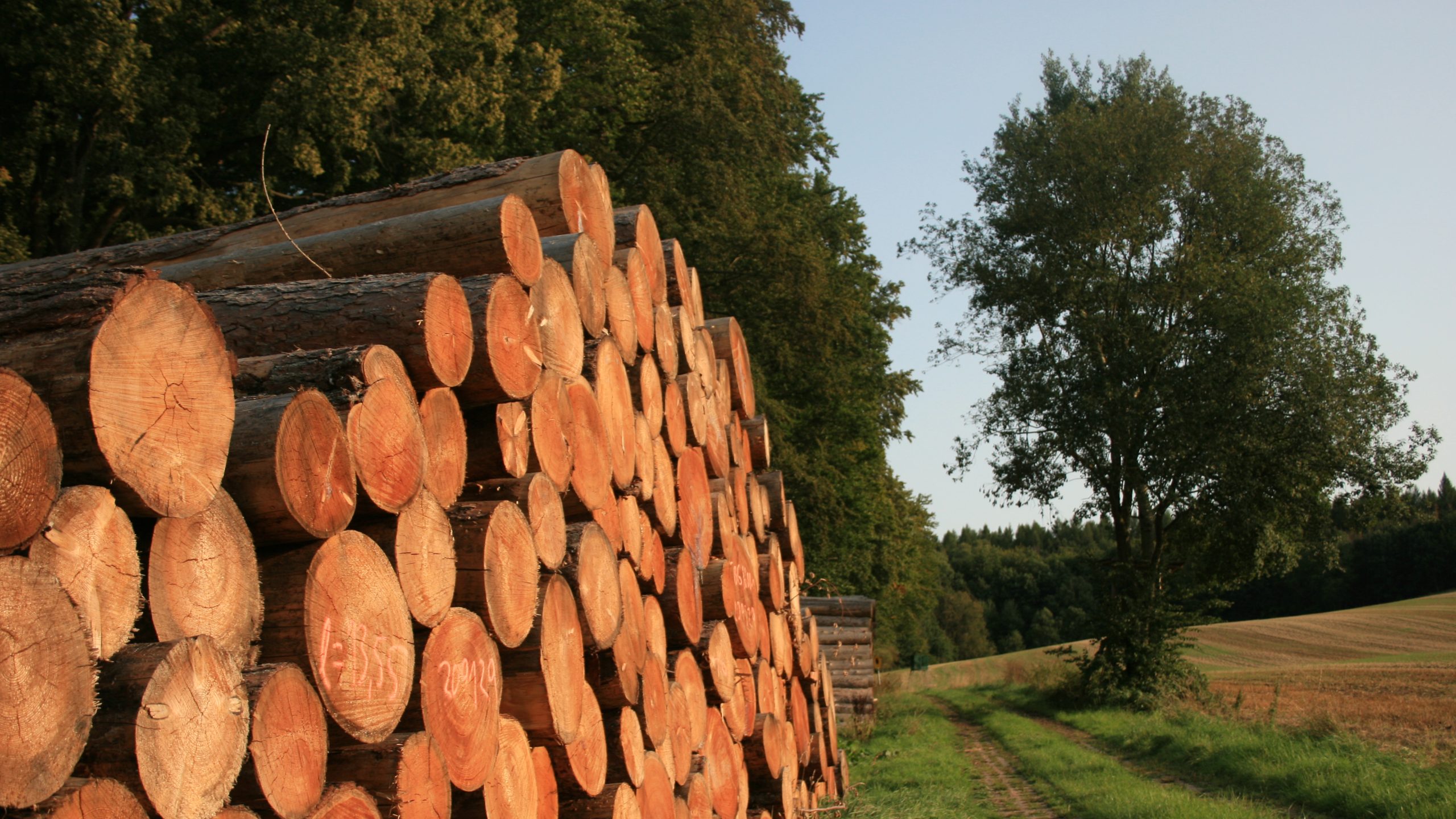
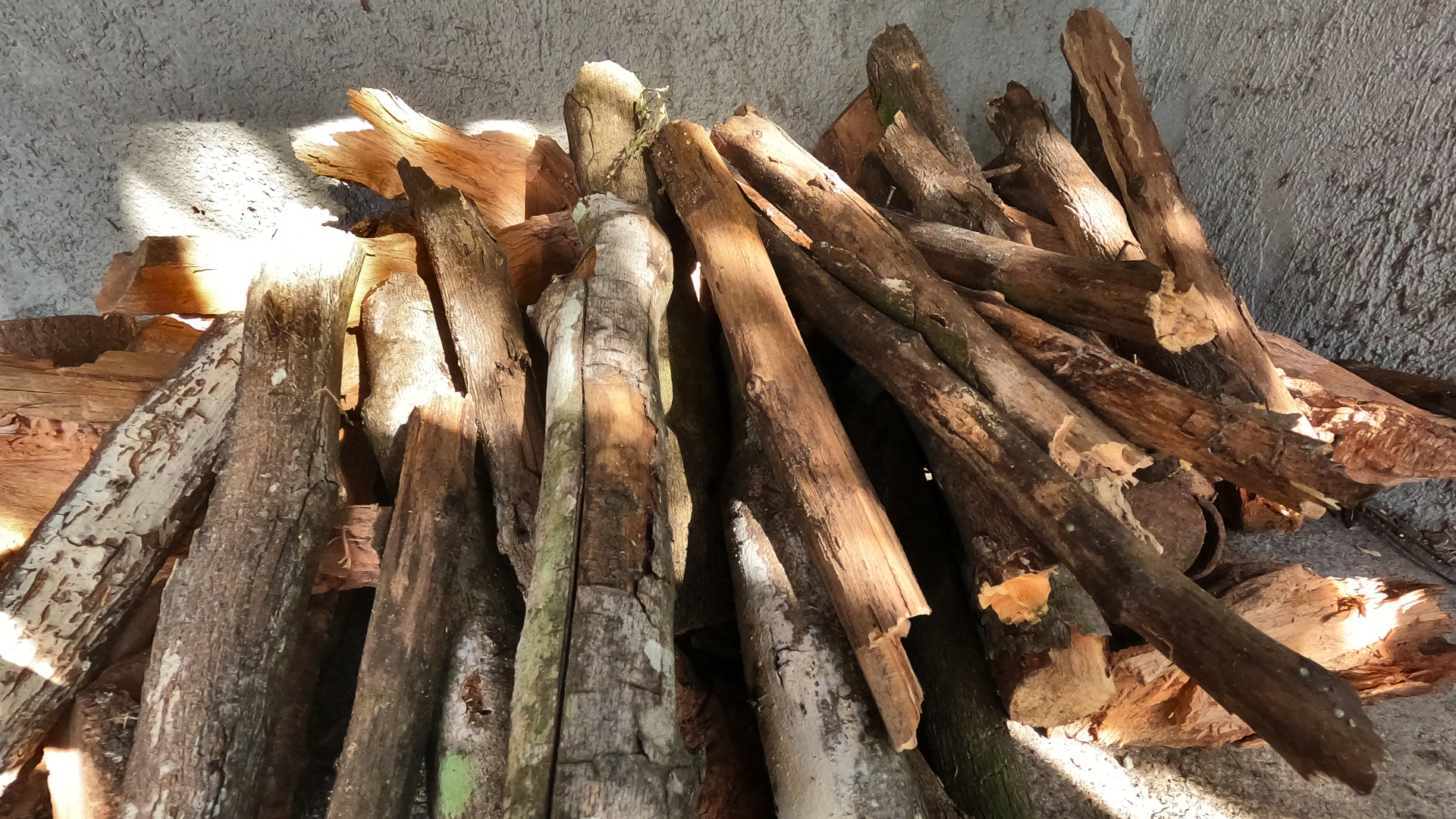
Nicht kostenlos, aber deutlich günstiger als ofengerecht geschnittene Brennholzscheite sind Holzabfälle aus dem nahegelegenen Sägewerk. Je nach Holzart und Qualität lassen sich die Kosten auf bis zu ein Drittel reduzieren. Auch hier gilt fragen kostet nicht und im Idealfall wird eine Win-Win Situation geschaffen. Durch die Verwertung von Holzabfällen wird nicht nur der eigene Geldbeutel geschont, sondern zudem auch unsere heimischen Wälder. Verwertung sollte stets Priorität genießen, die gilt auch für die Bewirtschaftung und Nutzung unserer Wälder. Mit jedem Baum wird der Natur ein Stück Lebensraum entnommen.
Bei der örtlichen Gemeinde nach einem Holzleseschein erkundigen
Bei weitem nicht jede Gemeinde erteilt heute noch einen Holzleseschein für kommunale Wälder, eine Anfrage beim Bürgeramt oder dem Staatsforstamt sollte sich dennoch lohnen. Was es dabei zu beachten gibt erfragen Sie bitte bei Ihrer zuständigen Gemeinde. Sollte die Gemeinde die Erteilung eines Holzlesescheines ablehnen, so sollte Ihnen zumindest das Staatsforstamt mit Rat und Auskunft rund um das Thema ökologischen und kosteneffizientes Heiz mit Holz zur Verfügung stehen.
Vermeiden Sie unbedingt jegliche illegale/nicht autorisierte Holzentnahme aus der Natur und sei es nur in Kleinstmengen.
Bonustipp
Die mit Abstand kostengünstigste Kilowattstunde ist jene nicht verbrauchte Kilowattstunde Energie. Heizen Sie mit Verstand und nur die Räume, welche Sie tagsüber auch wirklich nutzen. Ein Schlafzimmer muss nicht zwangsweise durchgehend auf 20 Grad beheizt werden.